What is unaged Rum?
What is Unaged Rum?
Not all Rum needs to spend time in a barrel to make an impact. Unaged Rum offers something different by capturing the raw, unfiltered character of sugarcane in its purest form. Clear in appearance, bold in flavour, and versatile in application, no wonder that Unaged Rum is viewed as a foundational spirit in bars, brands, and blending operations worldwide.
Yet despite its apparent simplicity, Unaged Rum encompasses a surprisingly diverse range of styles. From clean, neutral column still spirits to funky, ester-heavy pot still expressions, the category offers more complexity than many realise. Understanding these distinctions matters, particularly when sourcing in bulk for commercial applications.
How is Unaged Rum made?
Unaged Rum follows the same production process as its Aged counterparts, with one defining difference. Instead of maturing in wooden barrels after fermentation and distillation, the spirit moves straight to bottling (or rests briefly in inert vessels such as stainless steel tanks). This approach preserves the Rum's natural character to showcase the raw expression of its base ingredient.
Production begins by fermenting sugarcane-derived materials, whether fresh sugarcane juice, sugarcane syrup, or molasses. Yeast converts the sugars into alcohol, creating a low-alcohol liquid known as the wash. This wash then undergoes distillation in pot stills or column stills to concentrate the alcohol and flavour compounds.
Once distilled, Unaged Rum may be lightly filtered to remove impurities or harsh notes. Yet it never interacts with wood like Aged Rum.
Once distilled, Unaged Rum may be lightly filtered to remove impurities or harsh notes. Yet it never interacts with wood as Aged Rum does. The result? A clear spirit that retains fresh sugarcane flavours, grassy notes, citrus, light fruit, or vegetal characteristics. The final product expresses distillation style and raw material rather than barrel influence.
Learn more about how to source bulk unaged Rum at E&A Scheer.
Unaged Rum vs. Aged Rum: flavour comparison
The distinction between Unaged and Aged Rum comes down to time and wood. Unaged Rum remains clear unless caramel colour has been added. Aged Rum, by contrast, typically displays natural colour gained from the cask during maturation. Some producers may remove this colour through charcoal filtration to create clear aged Rums, though adding colour remains more common than removing it.
It’s all about the flavour
Flavour profiles diverge significantly. Unaged Rum showcases pronounced grassy flavours from the sugarcane, alongside fresh, bright notes. Aged Rums, particularly Agricole styles, may maintain those grassy notes but gain additional depth, complexity and roundness from wood maturation. Vanilla, caramel, spice, and oak characteristics emerge during barrel ageing, creating layers that Unaged expressions simply cannot replicate.
Neither style is inherently superior. Each serves a distinct purpose. Unaged Rum excels in cocktails where clarity and punch matter. Aged Rum, on the other hand (or in the other hand), offers depth for sipping or premium mixed drinks.
Explore our range of Unaged Rum options to see how we can support your brand or help you to create a new one.
The difference between pot still and column still Unaged Rum
Distillation methods shape the character of Unaged Rum as profoundly as the raw material. Pot stills and column stills produce distinctly different spirits, even when using an identical sugarcane base.
Pot still potency
Pot still distillation is usually defined by a batch process, copper vessels, and a slower, less efficient process. This approach captures more congeners, the flavour compounds that create complexity and richness. Unaged pot still Rums tend towards richer, heavier, more expressive profiles characterised by pronounced esters, fruity notes, and a fuller mouthfeel. That is why pot still Rums are ideal for sipping or for character-focused cocktails.
Column still consistency
Column stills take a completely different approach. Also known as continuous stills, they produce higher-proof spirits with greater consistency. By removing a greater level of congeners, column stills create cleaner and lighter Unaged Rums that work well for mixing, large-scale brands that depend upon consistent flavour, and applications that prioritise balance and consistency over bold character.
Beyond the taste
The choice between pot and column also affects production efficiency. Pot stills require batch processing with repeated heating and cooling cycles. Column stills run continuously, processing higher volumes while maintaining consistent alcohol concentrations. That means each method also exerts a significant influence over cost structure and market positioning as well as flavour.
Read our comprehensive guide on pot stills vs column stills to understand how distillation shapes Rum character.
Unaged Rum vs Cachaça
At first glance, you may well assume Unaged Rum and Cachaça are similar kinds of spirit. After all, both can be clear, unaged, and produced from sugarcane. Yet while production methods can overlap substantially, the two spirits differ in fundamental ways, primarily through raw materials they use – and also in the way they are legally defined.
Unaged Rum: flexing the flavour
Unaged Rum can be produced from molasses, sugarcane syrup, or fresh sugarcane juice. This kind of flexibility allows producers to tailor their approach to regional traditions, ingredient availability, and desired flavour profiles. Production methods can also vary from region to region and distillery to distillery, creating diverse expressions within the Unaged Rum category.
Cachaça: the law of the land
Cachaça is a complete contrast. It is produced under the strictest regulations, can only be made in Brazil, and must be distilled exclusively from fresh sugarcane juice. No molasses. No syrup. Just juice. This creates a fresh, vegetal, and sometimes even slightly funky flavour profile compared to molasses-based Unaged Rums.
A world of difference
Geographical indication plays an essential role in separating the spirits. Cachaça enjoys protected status as Brazil's national spirit, similar to how Cognac must come from Cognac or Tequila from designated Mexican regions. Unaged Rum, meanwhile, represents a broader category with global production spanning the Caribbean, Central America, South America, and beyond.
If you are considering a Cachaça-style profile, then it’s worth knowing that fresh juice-based Unaged Rums offer similar characteristics without the geographical restrictions.
Source the right Unaged Rum for your brand
To select the appropriate Unaged Rum, you first need to take account of a wide range of factors.
→ Raw materials: Molasses-based Rums offer one kind of profile, while fresh juice is a whole different ballgame. Think caramel, toffee, spice, and earthiness vs bright, grassy, vegetal, and floral.
→ Distillation method: The distillation process plays a huge role in shaping a Rum’s character. Pot still expressions deliver boldness and complexity. Column still variants provide consistency and neutrality.
→ Flavour profile: A premium cocktail Rum targeting mixologists demands different characteristics than a high-volume mixing spirit for mainstream bars.
→ Alcohol content: Alcohol levels affect both the flavour intensity and regulatory considerations across markets. For example, some applications require overproof spirits and others a standard 40% ABV.
→ Intended application: Sipping Rums, mixing Rums, RTD bases, flavour extracts, and confectionery ingredients each require specific attributes.
→ Volume requirements: The level of consistency you require will also have an influence over your final selection. Small-batch artisanal production suits certain brands, while large-scale continuous supply works better for others.
Working with an experienced Rum supplier will help to ensure you avoid costly mistakes while gaining access to the expert guidance on raw material selection, distillation methods, and flavour profiling that saves time and resources.
The Unaged advantage
Unaged Rum offers brands something Aged expressions cannot replicate. Immediate availability without years of barrel maturation; raw sugarcane character without wood influence; cost efficiency without compromising quality; and a high level of versatility across applications from premium cocktails to industrial flavouring to name just a few of the advantages.
The category continues to evolve as producers experiment with fermentation techniques, distillation methods, and raw material selection. Craft distillers are pushing the boundaries with high-ester expressions, while major brands continue to refine consistency and quality. The successful sourcing of Unaged Rum depends on understanding these distinctions, as well as the ways in which raw material, distillation method, flavour profile, and intended application interconnect.
E&A Scheer: your bespoke Master Blender
An expert partner will help you to smoothly navigate this complexity to make sure your selection aligns with your brand objectives and market requirements.
With over 300 years of experience in global Rum trade, E&A Scheer combines extensive inventory, technical expertise, and market knowledge to support brands at every stage.
We have built relationships with over 40 distilleries and origins worldwide, providing access to diverse Unaged Rum styles. Whether developing a clean mixing Rum, a bold pot still expression, or a custom profile for a private label brand, our specialist knowledge will guide you every step of the way.
Our Master Blenders can also create bespoke blends combining different Unaged Rum styles. This approach allows you to achieve specific flavour targets whilst maintaining supply security and consistency.
From initial sourcing decisions through to consistent long-term supply, we make Rum sourcing easy. If you would like any advice on sourcing Unaged Rum that aligns with your brand vision and market positioning, feel free to contact us or try out our unique custom Blending Tool.
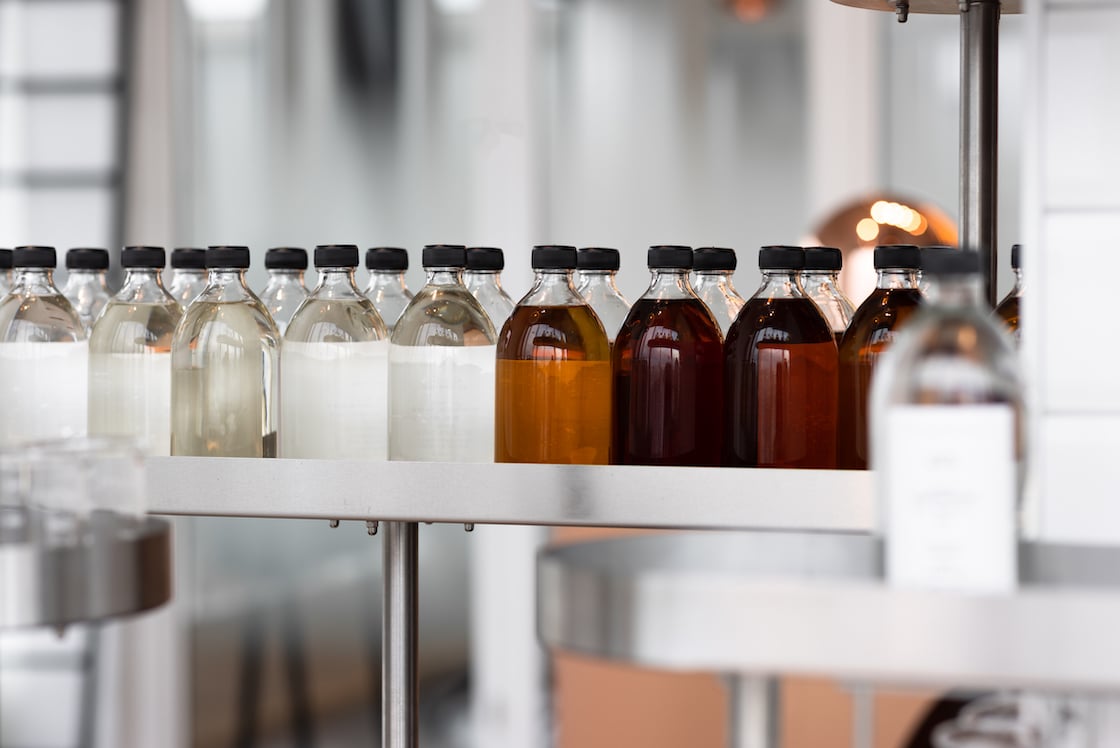


Rum Blending Tool
Browse the latest resources & industry insights to learn more about our companies and the Rum world in general.