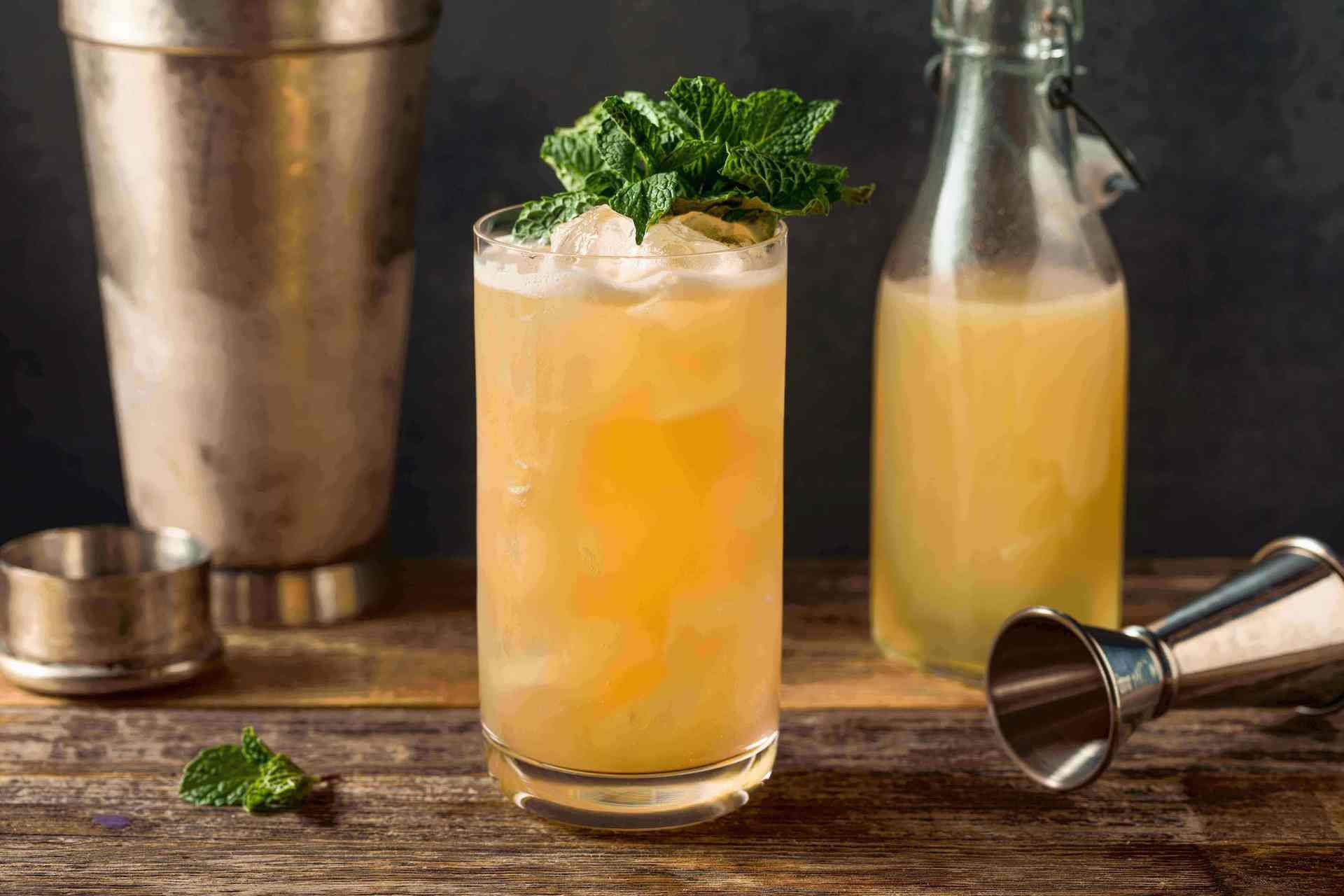
Rum vs Whiskey: Key differences
Rum vs Whiskey: Key differences
Right there on the bar in front of you sit two glasses. One holds a spirit whose exotic origins trace back to the Caribbean sugarcane fields. The other contains a liquid matured in Scottish warehouses, the result of malted grain and far cooler climes.
Both command respect. Both overflow with rich heritage. And both offer a wealth of tastes, styles and expressions. Yet the distinction between Rum and Whisky decision reaches far beyond taste preferences.
For any business sourcing spirits in bulk, they translate directly into formulation flexibility, time to market, margin structure, and strategic positioning.
Before we get started,a little note on the use of Whisky without an ‘e’ vs Whiskey with one. In brief, when referring to the variety produced in Scotland, Canada or Japan, use whisky without the ’e’. Use whiskey with an ’e’ when it is distilled in the United States or Ireland.
How are Rum and Whisky produced?
The main difference between how Rum is made and how Whisky is made lies in their base ingredients.
Rum: the sugarcane spirit
Rum production begins with sugarcane derivatives such as molasses or fresh sugarcane juice. This raw material is then fermented to create a wash, which is distilled in either pot or column stills. The resulting spirit can be aged in wooden barrels or bottled directly, depending on the desired style.
Whisky: going with the grain
Whisky is produced from grain, whether rye, wheat, corn, or barley. The grain is malted, ’mashed’ with water to release sugars, and fermented into a beer-like liquid. This wash is then distilled and typically aged in wooden casks before bottling.
Both spirits share the fundamental processes of fermentation and distillation. It is the choice of base ingredient that influences everything else from flavour development to ageing behaviour.
Still not always on the same page
That said, the approach to distillation can vary. For example, Rum is produced using either traditional pot stills for heavier expressions or column stills for lighter profiles. Whisky production traditionally relies on pot stills, though some styles incorporate column distillation.
Climate change
Climate plays a significant role in ageing. Tropical conditions accelerate maturation for Rum, with the spirit interacting more rapidly with the wooden barrels. Whisky, typically aged in cooler climates, tends to develop more gradually over longer periods.
Rum vs Whisky: Taste profile
Ingredients, climate, ageing duration and cask selection all shape the flavour characteristics of these spirits.
Rum offers a broad flavour spectrum. Light expressions typically provide clean, subtle notes suitable for mixing. Medium-bodied Rums can develop complexity with hints of vanilla, caramel, and tropical fruit. Heavily aged varieties often rival premium spirits in depth and refinement, delivering rich oak influence, dried fruit notes, and warming spice.
Whisky's flavour identity varies significantly by type. Scotch can offer smoky, peaty character or smooth, honeyed notes depending on production methods. Bourbon brings sweet vanilla and caramel from its corn base and charred oak ageing. Rye Whisky delivers spicier, more assertive flavours.
Rum vs Whisky sugar content
The Rum vs Whisky sugar content question often arises. Neither spirit contains added sugar in its base form, though some producers add small amounts during finishing. The perception of sweetness in Rum comes from its sugarcane origins and the compounds created during fermentation.
Flavour control and design
Rum production allows considerable flexibility in shaping flavour profiles. Distillers have the ability to adjust fermentation methods, select different distillation strengths, and create custom blends from multiple origins. This versatility makes Rum particularly suitable for developing bespoke products tailored to specific market requirements.
Whisky producers don’t usually enjoy the same level of freedom, with the flavour often established earlier in production through grain selection and distillation cuts. While cask finishing offers some variation, the core character is typically set before maturation begins.
Why this matters: For brands seeking unique positioning, Rum enables more iterative development. It allows adjustments throughout the blending process to achieve precise flavour targets.
Time to market and development speed
Regulatory requirements and market expectations around ageing also differ between the two spirits.
Rum can be released unaged or with shorter maturation periods. Tropical ageing accelerates development, meaning a five-year tropical-aged Rum may exhibit complexity comparable to significantly older spirits matured in temperate climates. This enables faster product launches and quicker responses to market feedback.
Whisky typically requires longer ageing to meet consumer expectations, particularly in premium segments. Multi-year maturation cycles extend development timelines and tie up working capital.
Why this matters: For brands testing new concepts or responding to emerging trends, Rum offers practical advantages in speed and flexibility.
Portfolio logic
Many successful spirits companies maintain both Rum and Whisky in their portfolios, recognising that the spirits serve different roles rather than compete directly.
Whisky often anchors heritage positioning and appeals to consumers seeking tradition and established categories. Rum provides opportunities for innovation, experimentation with flavour profiles, and access to growing markets where sugarcane spirits are gaining traction – especially among more adventurous drinkers seeking variety .
Why this matters: The margin flexibility of Rum sourcing, combined with its capacity for distinctive blending, makes the drink a valuable complement to Whisky offerings rather than a replacement.
Can you substitute Rum for Whisky?
The question of whether to substitute Rum for Whisky depends entirely on application and context.
In cocktails, substitution can work depending on the desired outcome. A well-aged Rum might replace Whisky in an Old Fashioned if you want to maintain a spirit-first character while adding tropical notes. Switch Bourbon for a Light Rum in a highball where the mixer plays a primary role.
At the same time, classic recipes created around specific spirits will rarely translate well. A Manhattan requires whisky's grain-derived character. A Daiquiri demands Rum's sugarcane foundation.
When it comes to cooking and confectionery, substitution becomes more viable. Both spirits contribute alcohol, sweetness, and aromatic complexity. The choice depends on whether you prefer Rum's molasses and tropical notes or Whisky's grain and oak character.
Ultimately, the Whisky vs Rum decision should be based on your brand story, target consumer preferences, and formulation requirements rather than straightforward equivalence.
Find out more about using Rum in the confectionery industry.
At-a-glance: the main differences between Rum and Whisky
The Rum vs Whisky difference centres on five primary factors.
|
|
Rum |
Whisky |
|
Base ingredient |
Sugarcane derivatives: molasses, cane juice. |
Grain: corn, rye, wheat, barley. |
|
Fermentation |
Sugarcane sugars create esters and congeners with tropical character. |
Grain starches convert to sugars, producing different congener profiles. |
|
Typical ageing |
Optional, accelerated in tropical climates. |
Usually required, slower in cool regions. |
|
Flavour range |
Light and clean to rich and complex, with tropical fruit and molasses notes. |
Varies by grain and production, from smooth and sweet to smoky and robust. |
|
Regulatory definition |
Spirit distilled from sugarcane products, minimum 37.5% ABV (EU) or 40% ABV (US). |
Spirit distilled from grain mash, aged in wooden containers (specific requirements vary by type). |
Regulatory frameworks also influence the production of both spirits, although requirements vary by jurisdiction. Rum must be produced from sugarcane derivatives and meet minimum alcohol strength standards. Whisky requires grain-based production and typically mandates barrel ageing.
Finding the right flavour for your product
When you are sourcing bulk spirits, the main thing to remember is that alignment between spirit characteristics and brand positioning is more important than categorical preferences.
If your product requires flexibility, faster development cycles, or distinctive tropical character, choose Rum. Its blending potential allows for precise control over flavour profiles, making it particularly valuable for creating signature expressions that differentiate your brand.
If you prefer to bring tradition, established category recognition, or grain-derived flavour complexity to the fore, then Whisky could be the right choice.
Your choice may also depend on more practical considerations. Time to market, target price point, desired flavour architecture, and brand narrative all influence which spirit serves your needs more effectively.
Nobody understands Rum like E&A Scheer
Bulk spirit sourcing requires a partner who understands these nuances and can guide you toward the right choice for your specific requirements.
E&A Scheer specialises in sourcing and blending Rum and holds an extensive inventory spanning light to heavily aged expressions from over 40 origins worldwide. Our master blenders develop bespoke profiles tailored to your exact specifications, then reproduce them with complete consistency across every batch.
Whether you are developing a new product or refining an existing range, our expertise in production, flavour development, global sourcing, and logistics can help make the entire process exceptionally straightforward.
Contact E&A Scheer to discuss your bulk Rum requirements, or try our unique blending tool to start exploring your ideal flavour profile right now.