Rum vs. Brandy: A Strategic Sourcing Comparison
Brandy is one of the world's oldest spirit categories. Rum is one of the most diverse. Both have centuries of production history behind them, and both continue to attract serious commercial interest from brands and buyers worldwide.
But when it comes to sourcing decisions, the two spirits pull in very different directions. Brandy is a family of spirits distilled from fermented fruit juice, most commonly grapes. As such, it is often tightly bound to agricultural cycles, regional regulations, and in premium categories, a single country of origin.
Rum, produced from sugarcane derivatives across more than 50 countries, offers a degree of supply flexibility and stylistic range that few other spirits can match.
For brand owners and product developers, those differences have a real commercial impact on raw material costs, formulation options, regulatory exposure, and the ability to scale.
This guide sets out the key distinctions between Rum and Brandy from a sourcing and formulation perspective, covering raw materials, taste profiles, market applications, and what each spirit offers at the premium end.
What is the main difference between Rum and Brandy?
The most significant distinction is regulatory. Defined as a distillate obtained solely from the fermented juice or mash of grapes, Brandy is inherently tied to fruit agriculture. In the case of premium categories like Cognac, the rules are stricter still: the grapes must be grown in a single delimited region of France, with Ugni Blanc accounting for at least 90% of the blend. That geographic specificity imposes a hard ceiling on supply.
Rum faces no such limitation. While some varieties are subject to regional geographical indications, production spans the globe from the Caribbean and Latin America to Africa, Asia, and Europe. A poor grape harvest in the Charente region constrains Cognac supply and pushes prices upward. A weather event in Jamaica can be offset by sourcing from Barbados, Trinidad, or the Dominican Republic when looking at Caribbean Rum.
Supply diversity is a structural advantage. With Rum, you are never dependent on a single country, a single harvest, or a single regulatory regime.
Rum also offers a broader spectrum of styles. From clean, neutral column-distilled spirits to rich, complex pot-still expressions, the range of raw materials, fermentation approaches, and maturation options gives buyers far more levers to work with during product development.
What is Brandy made from vs. Rum?
Every spirit is shaped by the raw materials used to produce it.
Rum is made exclusively from sugarcane derivatives. Molasses, the thick by-product of sugar refining, is the most widely used base. Molasses imbues the spirit with a characteristic sweetness and depth. Fresh sugarcane juice forms the foundation of Rhum Agricole, a style unique to the French Caribbean.
Each base ingredient influences the final spirit in its own distinct way, giving Rum producers considerable creative latitude before distillation has even begun.
Brandy, by contrast, is distilled from fermented fruit juice, most commonly grapes, though the term also covers a broader family.
- Calvados: an apple brandy from the Normandy region of France, known for its orchard freshness and gentle acidity.
- Kirschwasser: a German cherry brandy, typically unaged and colourless, with a clean, dry fruit character quite unlike the sweetness its name might suggest.
- Poire Williams: a fruit brandy made from Williams pears, prized for its delicate floral aroma and the intensity of ripe pear on the palate.
In all cases, the fruit determines the flavour direction and that direction is relatively fixed. Brandy producers work within the character of their raw material rather than across a spectrum of them.
It is worth noting where the word itself comes from. Brandy derives from the Dutch 'brandewijn,' meaning 'burnt wine', a reminder that the spirit's origins lie in the world of wine, rather than sugarcane.
Sugarcane is a fast-growing, resilient crop harvested across multiple growing seasons in different parts of the world. That means more consistent availability, more competitive pricing, and a far more diversified supply chain. Explore the full range of Rum styles available at E&A Scheer.
Brandy vs. Rum taste profile
These production differences translate directly into the glass with Rum representing a particularly wide range of flavour profiles.
Light column-distilled Rums are clean, neutral, and highly versatile, ideal for mixing and large-scale blending.
Heavier pot-distilled Rums develop high esters and fruit-forward characters with notes of pineapple, banana, and deep molasses richness.
Aged Rums introduce vanilla, caramel, and spice, with the cask contributing additional layers of complexity depending on its previous contents.
Brandy tends to be more origin-driven. Young expressions often lean toward apricot, plum, and candied citrus. Older expressions become richer and more complex, with dried fruit, walnut, and, in the case of well-aged Cognac, a distinctive oxidative quality known as rancio. The profile is elegant, but it is also constrained by the grape variety and the region.
What is rancio?
Rancio is a complex, savoury quality that develops in spirits aged for extended periods in oak. It is often described as a combination of dried fruit, aged cheese, and warm nuts. It is prized by connoisseurs as a sign of genuine age and depth.
From a formulation standpoint, Rum acts as a flavour multiplier. Its range from delicate and neutral to rich and full-bodied offers blenders more options when developing bespoke products. Brandy delivers consistency and character within a more defined sensory palette.
For brands developing RTD products, flavoured spirits, or confectionery ingredients, this level of flexibility offers a practical advantage.
Rum vs. Brandy: an at-a-glance comparison
|
Category |
Rum |
Brandy |
|
Raw material |
Sugarcane (molasses or fresh juice). |
Fermented fruit juice, most commonly grapes. |
|
Production geography |
50+ countries, maximum supply flexibility. |
Regionally or geographically restricted in many premium categories. |
|
Supply risk |
Diversified and resilient to single-region disruptions. |
Tied to agricultural cycles and fruit harvests. |
|
ABV range |
~37.5% to 75%+ offers broad formulation flexibility. |
Typically standardised around 40% ABV. |
|
Cask variety |
Ex-bourbon, Sherry, Port, wine, virgin oak and more. |
Predominantly oak, Cognac uses Limousin or Tronçais. |
|
RTD suitability |
Excellent — wide style range suits tropical and mixed formats |
More limited profile suits spirit-forward serves. |
Rum and Brandy in cocktails and ready-to-drink (RTD)
Legendary Rum cocktails such as the Mojito, Daiquiri, and Piña Colada are traditional mainstays of the cocktail menus the world over. That heritage translates directly into RTD formats, where Rum's natural sweetness and versatility make it an ideal base for tropical and mixed-flavour products.
RTD on the rise
The RTD category is projected to grow by 12% in volume between 2022 and 2027, reaching a market value of $40 billion across ten key markets. Rum-based RTDs are set to play a significant role in that expansion. Unaged and lightly aged Rums are particularly well suited to this sector: they can be produced year-round from diverse sugarcane sources and brought to market quickly, without the inventory drag of extended maturation.
Spirit-forward serves
Brandy has its own respected place in cocktail culture. The Sidecar, the Brandy Crusta, and the original Sazerac are all built on Brandy's aromatic, fruit-forward character. These are generally spirit-forward serves, where Brandy stands on its own rather than acting as a mixable base for layered flavour combinations.
The role of ABV
ABV flexibility is another practical consideration. Rum is produced across a broader strength range than most spirits, from standard expressions at 37.5% ABV to overproof variants exceeding 75%. For brands developing products across multiple markets with different regulatory thresholds, this flexibility delivers a genuine operational advantage. Cognac, by contrast, is typically standardised around 40% ABV, offering less room to manoeuvre.
Which is better for sipping neat: Rum or Brandy?
Both spirits are heritage-led categories with a legitimate claim to the premium sipping occasion. Brandy, and Cognac in particular, has long carried associations with luxury and refinement. But the landscape is shifting.
Rum’s reinvention
High-end, pot-distilled, aged Rums are increasingly benchmarked alongside established sipping spirits. And for good reason. Extended tropical or continental maturation produces complexity that competes directly with premium Brandy in the high-end category. The difference lies in creative latitude.
Rum producers enjoy access to a broader range of cask types including ex-Sherry, ex-Port, ex-wine and virgin oak. This means that aged expressions can be developed with a distinctive profile that no other spirit can replicate. Each combination of origin, distillation method, and cask finish produces something genuinely different. That gives premium Rum brands the tools to build a singular identity, rather than competing within a narrowly defined category.
Brandy producers work primarily with oak, and often within prescriptive regulatory frameworks. The results can be exceptional, but the range of possible outcomes is narrower.
Rum's cask flexibility is a competitive advantage in the premium segment. No two aged Rum expressions need taste the same.
Rum vs. Brandy for culinary and confectionery applications
In a culinary context, Rum offers a well-established advantage.
Its sugar-derived sweetness translates naturally into desserts, baked goods, ice cream, fruit preparations, and chocolate. The caramel and vanilla notes that develop during maturation are a staple in confectionery formulation. Rum's potency also makes it ideal for flambéing, where its concentrated flavour compounds survive the heat while contributing character to the finished dish.
Brandy is certainly used in the kitchen: think Cognac cream sauces and classic French pastry preparations. Even so, grape-based spirits lack the specific sweetness profile that makes Rum such a natural ingredient in sweet applications. The vinous, fruit-forward character of Brandy can work well in savoury contexts and certain dessert preparations, but it does not offer the same versatility across the full confectionery spectrum.
E&A Scheer has gained extensive experience in both sectors and regularly supports brands in the flavour and fragrance industry.
Sourcing bulk Rum with E&A Scheer
E&A Scheer has been sourcing, blending, and supplying Rum since 1712. With access to Rums from over 40 distilleries and origins worldwide, we offer the entire spectrum of styles from light column-distilled expressions to rich, complex pot-still variants and premium aged Rums.
That inventory is complemented by bespoke blending capability. Our Master Blenders work with each client to develop a flavour profile that fits their brand positioning, target market, and regulatory requirements, then reproduce it with complete consistency, batch after batch.
Whether you are developing a first product or extending an established range, we can help you evaluate whether Rum or an alternative base spirit best serves your objectives.
Start by exploring your ideal flavour profile with our Blending Tool, or contact our specialists to begin the conversation.
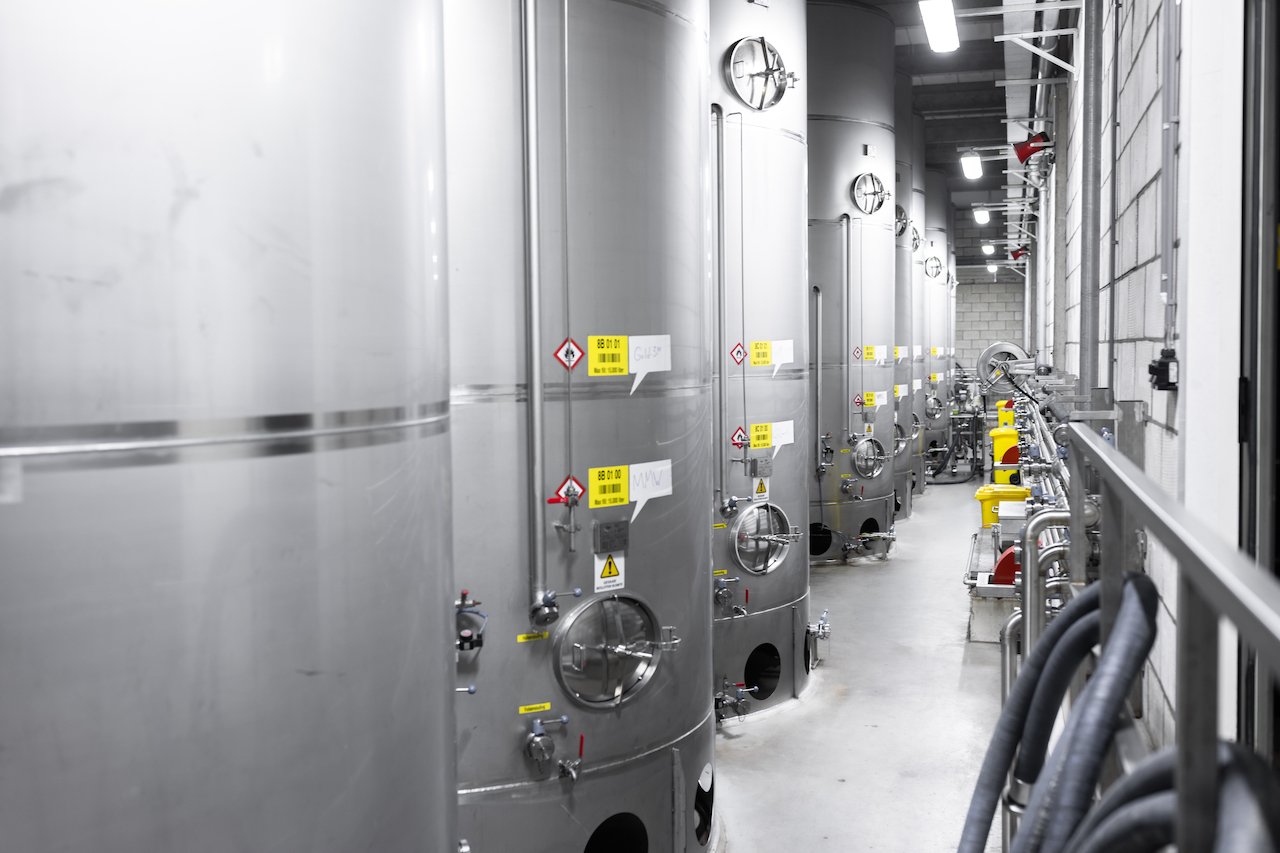


Rum Blending Tool
The Rum Blending Tool represents the first step on the journey to your unique bespoke Rum blend.
By completing the questionnaire, you will give us enough information on several of the dimensions involved in making a Rum blend.