How is Cachaça made?
Welcome to the world of Cachaça
Introduction
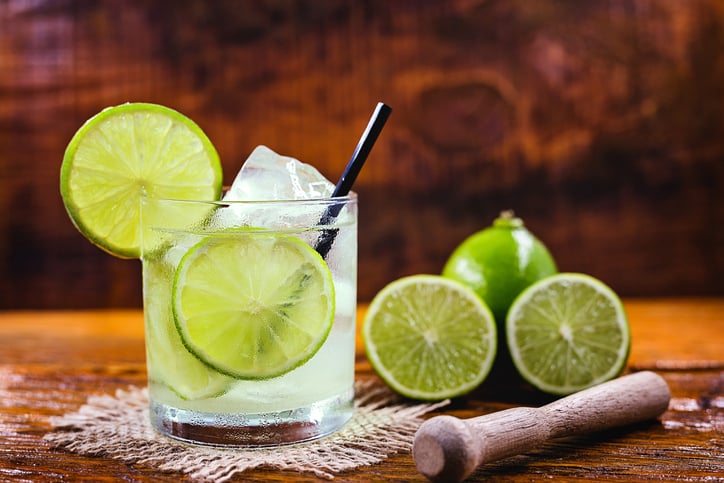
Brazil's national spirit has captivated drinkers worldwide with its distinctive character and rich cultural heritage. Yet while many enjoy a Caipirinha on a summer evening, few truly understand the intricate production process that transforms fresh sugarcane into Cachaça.
This guide takes you through every stage of Cachaça production. You’ll discover how it differs from Rum, what influences its distinctive taste, and the specific regulations that protect this uniquely Brazilian spirit.
What is the difference between Cachaça and Rum?
While both Cachaça and Rum share sugarcane origins, they follow distinct production paths that shape their individual characters.
Cachaça vs Rum: Base
Cachaça must be distilled from fresh sugarcane juice. This non-negotiable requirement sets it apart from most Rums, which are typically made from molasses, although some do use fresh cane juice.
Cachaça vs Rum: Taste
Fresh sugarcane juice gives Cachaça its characteristic grassy, vegetal notes. Traditional Rum, meanwhile, develops a sweeter, more vanillary profile from molasses fermentation.
Cachaça vs Rum: Location
Geography plays an equally important role. Brazilian law mandates that Cachaça can only be produced within the country’s borders, making it a protected designation of origin. Rum, by contrast, is a truly global spirit that can be produced worldwide. In fact, some producers labelled Cachaça as Brazilian Rum, but this was prohibited in 2013 to preserve the spirit's distinct identity.
Cachaça vs Rum: Ageing
Ageing practices further distinguish the two spirits. While Rum commonly matures in ex-bourbon American white oak barrels, Cachaça producers often take advantage of native Brazilian woods such as amburana and jequitibá, which introduce distinctive flavours impossible to replicate elsewhere.
E&A Scheer supplies both Rum and Cachaça in bulk, tailored to your brand's specific requirements and flavour profile.
What does Cachaça taste like?
Cachaça offers a diverse flavour spectrum that reflects its production methods and ageing choices.
At its core, the spirit retains subtle sugarcane notes from the fresh juice fermentation. Yet this foundation supports a wide range of additional characteristics. Some expressions showcase bright, fruity qualities with hints of nectarine and melon. Others offer earthier, grassier profiles with vegetal undertones reminiscent of the cane fields themselves.
The ageing process introduces further complexity. Cachaças matured in indigenous Brazilian hardwoods develop nutty, fruity dimensions alongside herbal notes. Some aged varieties even reveal hints of toffee or vanilla, though these remain more subtle than traditional Rum.
Industry professionals often describe the flavour range as spanning banana runts, leather, and even sourdough bread. This versatility makes Cachaça particularly valuable for brands seeking distinctive taste profiles that stand apart from conventional sugarcane spirits.
Interestingly, some aged Cachaças matured in unique Brazilian woods can resemble aged tequila or Rum, though unaged versions maintain their distinctive identity.
Both spirits share earthy, grassy notes, although Cachaça tends to be sweeter, more vegetal, and often more fruity due to its sugarcane base. Tequila, distilled from agave, typically offers more peppery, herbal, and citrussy characteristics.
If your brand is in the market for grassy undertones, earthy depth, and bright fruity notes, Cachaça may well tick all the right boxes.
The 4 steps to producing Cachaça
Cachaça production follows a carefully controlled sequence that transforms sugarcane into a refined spirit. Each stage contributes to the final flavour profile and quality.
Step 1: Harvesting and juice extraction
As you might expect, we begin in the sugarcane fields. Mature cane is harvested and transported to the distillery, where it undergoes immediate pressing to extract the fresh juice. This juice, still rich with natural sugars and the essence of the cane, forms the foundation for fermentation.
Speed matters. The fresher the juice, the better it retains the qualities that make Cachaça distinctive.
Step 2: Fermentation
Once extracted, the fresh sugarcane juice enters fermentation tanks. Some producers rely on wild yeasts naturally present in the environment, creating more complex, terroir-driven flavours. Others opt for commercial yeast strains that offer greater consistency and control.
The yeasts consume the sugars in the juice, transforming them into alcohol. This stage typically lasts between 18 and 24 hours, though some artisanal producers extend it longer to develop deeper flavour complexity.
The resulting fermented wash contains approximately 5 to 8% alcohol by volume, ready for distillation.
Step 3: Distillation
The fermented juice moves to stills where heat separates alcohol from water and other compounds. Some distillers use copper pot stills, which retain a high level of congeners - flavour compounds that contribute to Cachaça's character and complexity. Others use column stills, known for their efficiency and consistency. Their continuous distillation produces larger volumes while maintaining quality.
Distillers separate the run into three parts. The heads, containing harsh alcohols and undesirable compounds, are discarded. The hearts, representing the purest, most flavourful portion, become Cachaça. The tails, carrying heavier compounds, are also set aside. This careful cut selection determines much of the spirit's final quality.
Brazilian law requires Cachaça to be distilled at no higher than 54% alcohol by volume, preserving more flavour compounds than higher-proof distillation would allow.
Step 4: Post-distillation and ageing
After distillation, producers face a defining choice. White Cachaça can be bottled immediately or rested briefly in stainless steel or inert containers, preserving the fresh, vibrant character of the sugarcane juice.
Aged Cachaça follows a different path. The spirit enters wooden barrels, with time and interaction with the wood imparting additional complexity. While some producers use traditional oak, many turn to Brazil's indigenous woods. Amburana imparts vanilla and cinnamon notes. Jequitibá offers subtle sweetness. Balsam adds herbal qualities.
Each wood type creates a unique signature impossible to replicate with standard cooperage.
The role of the climate in Cachaça production
Climate influences ageing significantly. Brazil's warm temperatures accelerate wood interaction, concentrating flavours more quickly than in temperate regions. This allows Cachaças to achieve remarkable depth in shorter periods compared to spirits aged in cooler climates.
The production process shares many similarities with how Rum is made, though the mandatory use of fresh cane juice and specific Brazilian regulations create distinct outcomes.
Cachaça styles 101
Brazilian regulations establish clear categories for Cachaça, each defined by production methods and ageing requirements.
White Cachaça
Also known as Cachaça Branca, Clássica, Tradicional, or Prata, white Cachaça is defined by the absence of colour change. Some producers rest the spirit in stainless steel tanks for mellowing before bottling. Others use woods such as jequitibá, freijó, or amendoim, which impart subtle flavours without releasing colour.
White Cachaça retains the purest expression of sugarcane character. The aroma and flavour profile sit closest to the original cane juice, offering bright, fresh, vegetal notes that work particularly well in cocktails.
Yellow or Gold Cachaça
Cachaça Amarela gains its golden hue from barrel ageing in woods that release colour and tannins. Producers may label these expressions as Ouro, Envelhecida, Premium, or Extra Premium depending on ageing duration and quality standards.
The wood interaction softens the spirit while adding layers of complexity. Flavours and aromas evolve during maturation, with the specific wood type exerting significant influence on the final character.
Stored vs aged
Brazilian regulations distinguish between stored and aged Cachaça. Stored Cachaça rests in wooden barrels of any size for an unspecified period, from two months to three years. This process smooths the spirit and influences aroma and flavour according to the wood selected.
Aged Cachaça requires that at least 50% of the blend matures for a minimum of one year in barrels no larger than 700 litres. The smaller barrel size increases wood contact, resulting in more pronounced changes to colour, aroma, and flavour. This category divides further into Premium and Extra Premium designations.
Premium
Premium Cachaça must consist of 100% sugarcane Cachaça or aguardente, aged in suitable barrels with a maximum 700-litre capacity for at least one year.
Extra Premium Cachaça follows the same requirements but extends the minimum ageing period to three years. This extended maturation develops greater depth and refinement, creating expressions that appeal to discerning sippers.
Is Cachaça a protected name?
Yes. Cachaça enjoys legal protection as a geographically indicated product. Brazilian law defines specific parameters that any spirit must meet to carry the Cachaça name.
- Production must occur within Brazil's borders.
- The spirit must be distilled from fresh sugarcane juice, not molasses or other derivatives.
- At least 50% of the spirit must be aged for at least one year.
- Alcohol content must fall between 38% and 54% by volume, though most expressions sit between 40% and 43%.
These regulations protect both consumers and legitimate producers. They ensure that anything labelled Cachaça delivers the authentic Brazilian character and quality standards the designation represents.
Similar to how Champagne can only come from France's Champagne region or Scotch must originate in Scotland, Cachaça's protected status preserves its unique identity in global markets.
The best Cachaça for your Caipirinha
Brazil's legendary cocktail demands a Cachaça that balances character with mixability.
White Cachaça generally works best. Its clean, bright sugarcane flavour complements the lime and sugar without overwhelming them. Look for expressions that offer a balanced profile that contributes a distinct character whilst allowing the other ingredients to shine through.
Some bartenders prefer slightly aged Cachaças for added complexity, with those subtle wood notes adding an interesting new dimension.
If you’re looking to develop a Cachaça-based product, we can help you identify the appropriate flavour profile for the market you have in mind. Get in touch and let’s start the conversation.
What can I substitute for Cachaça?
Although no other spirit is quite like Cachaça, one alternative can offer a relatively close match that works especially well in cocktails.
Rhum Agricole from the French Caribbean islands is also distilled from fresh sugarcane juice. This shared foundation creates similar grassy, vegetal characteristics. Yet important differences remain.
Cachaça vs Rhum Agricole
Rhum Agricole must be produced in French Caribbean territories, primarily Martinique and Guadeloupe, where it holds its own protected designation of origin. Production methods follow French traditions rather than Brazilian practices. And whereas Cachaça may use juice that is either freshly pressed or boiled down to form a syrup called Cana before fermentation, Rhum Agricole uses exclusively fresh juice.
These distinctions create subtle but noticeable flavour variations. Rhum Agricole often presents more refined, elegant profiles compared to Cachaça's earthier, more rustic character. Even so, cocktails made with Rhum Agricole will taste relatively similar to those using Cachaça.
Learn more about Rhum Agricole and how it compares to Cachaça.
Source the right Cachaça
Understanding how Cachaça is made is one thing. Translating this knowledge into a product that resonates with your target market is quite another.
E&A Scheer supplies bulk Cachaça tailored to your specific requirements. Whether you're seeking bright, unaged expressions for cocktail applications or complex, barrel-aged variants for premium sipping occasions, we hold one of the world’s most extensive inventories.
Our master blenders understand the nuances that distinguish exceptional Cachaça from standard offerings. We will work closely with you to identify the flavour profiles, quality standards, and commercial parameters that align with your goals. Want to know more?
Let us know what you have in mind and we’ll get back to you within 24 hours to discuss next steps.


Rum Blending Tool
Browse the latest resources & industry insights to learn more about our companies and the Rum world in general.