A bottle of aged Rum often sells for the same price as an entire case of standard mixing spirit. That is not a pricing anomaly. It is the clearest signal yet that Rum is undergoing the same structural shift whisky went through a decade ago. The brands that move early stand to capture the most value.
For procurement teams and beverage groups deciding where to allocate capital next, the direction of travel is no longer in question. The question is how fast to move.
The structural shift toward high-end aged Rum
Standard mixing Rums remain a high-volume, low-margin business. Aged expressions tell a different story altogether.
The global high-end Rum market, covering bottles priced at USD 30 and above, was valued at USD 3.57 billion in 2022. And it is projected to reach USD 5.01 billion by 2030, a CAGR of 4.3% (Source: The Insight Partners).
That growth is not being driven by volume. The broader global Rum market was valued at USD 18.47 billion in 2024 and is forecast to reach USD 23.62 billion by 2030, also representing a CAGR of 4.3% (Source: Grand View Research).
Both figures share the same growth rate. That symmetry matters: high-end Rum is not expanding because more bottles are being sold. In the US, premium-and-above Rum edged up from just 6% to 7% of volume share between 2019 and 2024 (Source: IWSR US Navigator). This is bulk Rum value growth built on price, not on litres shipped.
|
Category
|
Typical price point / market signal
|
|
Standard mixing Rum
|
USD 10-20 per bottle. Thin margins, volume-dependent.
|
|
Aged Rum (12-25 years)
|
USD 30-200+ per bottle. High-end Rum market growing at a 4.3% CAGR.
|
Regionally, Asia-Pacific dominates by volume, accounting for the largest share of global consumption. North America, however, remains the fastest-growing regional market, driven by rising demand for premium and aged expressions (Source: Grand View Research; Persistence Market Research).
This is spirit premiumisation in numbers, not just in narrative. For brand owners still positioned in the mixing-grade tier, the aged Rum market share data makes a straightforward case for reallocating investment upward.
Key consumer trends
Rum is shedding its traditional identity as a staple cocktail mixer. Today, it is being successfully repositioned alongside single malt Scotch whisky and French Cognac as an ultra-premium category worth savouring, not just mixing.
Three consumer shifts are reinforcing that repositioning.
1. Craft ageing and heritage. Consumers are rewarding visible provenance: origin, distillery, and age statement. Triple-aged expressions, matured across secondary bourbon, Cognac, or vermouth casks, are becoming a meaningful point of differentiation.
2. “Less but better” drinking habits. The fastest-growing micro-segment within high-end Rum is ultra-premium: single-origin, low-intervention, additive-free Rum aimed at consumers who want fewer, more considered purchases rather than more bottles.
3. A shift toward richer profiles. Dark and golden Rums captured a 47.67% share of global category revenue in 2024, the largest of any product type (Source: Grand View Research). Consumers are trading up from clear, neutral spirits toward Rums with visible age, colour, and complexity.
The common thread across all three trends: consumers are asking harder questions before they buy. Single-origin aged liquid, transparent sourcing, and additive-free credentials are no longer nice-to-haves. They are increasingly the price of entry into the super-premium sipping Rum category.
Route to market: navigating on-trade and off-trade channels
Understanding where high-end Rum actually sells is essential for any brand deciding how to allocate volume, packaging, and positioning.
Off-trade remains the dominant channel by revenue. Rum sold through supermarkets, specialist retailers, and off-trade outlets accounted for 79.42% of category revenue in 2024 (Source: Grand View Research). For most premium brands, this is still where the bulk of volume clears.
On-trade tells a different story in terms of influence. Premium cocktail bars are expanding classic cocktail programmes: think Rum Old Fashioneds and premium Daiquiris. These drinks demand high-character, aged bulk Rum rather than generic neutral spirit. On-premise classic cocktails remain one of the most effective routes for building brand credibility, even where the channel contributes a smaller share of total volume.
High-energy, multicultural dining venues represent a particularly lucrative micro-channel within on-trade. Premium Rum sales were 42% higher than average within Ground Signal's proprietary Multicultural High Energy Dining segment of US on-trade accounts (Source: Ground Signal, cited in Grand View Research). For brands with the right positioning, this is a disproportionately high-margin route into the category's most engaged drinkers.
Direct-to-consumer and e-commerce Rum retail channels are also growing fast. For premium brands, this route offers something off-trade shelf space cannot: the room to tell an origin-centric story directly to the consumer, unconstrained by packaging real estate or retailer category management.
Off-trade still moves the volume. On-trade and e-commerce shift the perception. A credible high-end Rum strategy needs all three working together, not one at the expense of the others.
The 4 actionable sourcing opportunities
Understanding the trend is one thing. Acting on it profitably is another. Four sourcing strategies stand out for brands looking to capture this shift.
#1: The “whisky-fication” of Rum. Brands need aged marques, usually 5 to 15+ years, that lean into the geographical brand equity of well-known origins such as Jamaica, Barbados, Guyana, or Guatemala. Origin, in this category, is doing a lot of the selling.
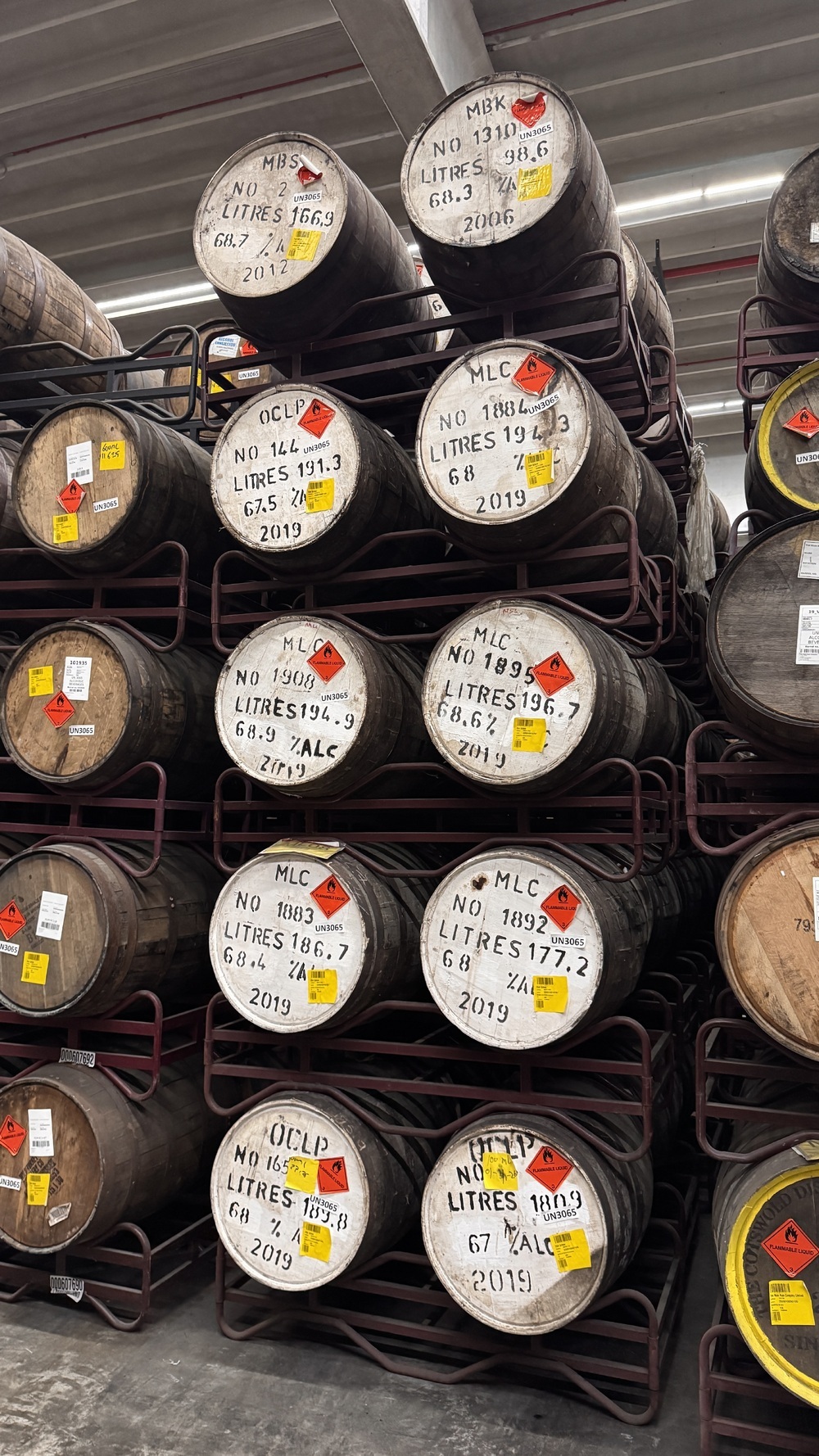
#2: Secondary cask finishing. Sourcing aged bulk Rum for local secondary maturation in Sherry, Port, Oloroso, or Bourbon barrels creates limited-edition, genuinely collectible releases. Custom cask finishing is one of the more accessible ways to differentiate an existing aged stock without starting a new maturation programme from scratch.
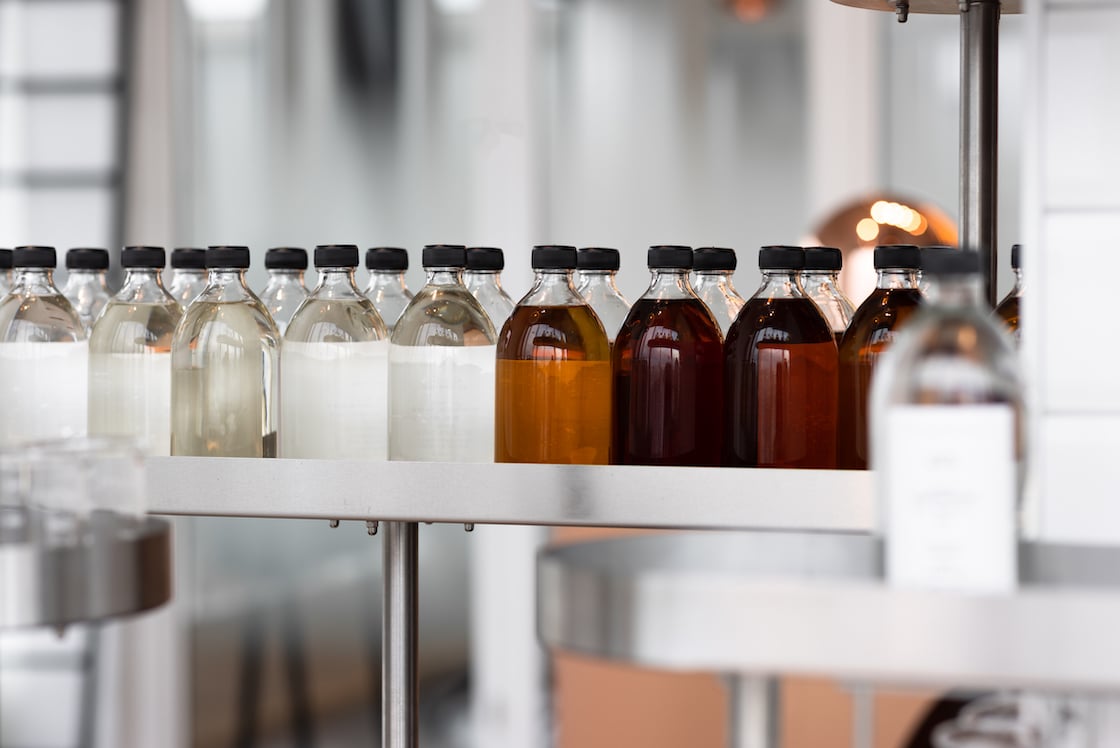
#3: Multi-origin blending. Combining heavy pot-still Rums with light column-still Rums allows brands to build a unique proprietary flavour signature. Multi-origin bulk Rum blends remain one of the strongest tools available for building long-term brand loyalty, precisely because they cannot be easily replicated by a competitor sourcing from a single distillery.
#4: Sustainability as a brand pillar. Certified supply chains, Bonsucro, Organic, or Fair-Trade, are increasingly seen as a standard requirement rather than a distinct differentiator. Bonsucro certified Rum sourcing and organic bulk Rum both align directly with corporate ESG goals and with a genuinely more eco-conscious consumer base.
Secure and scale your premium Rum with E&A Scheer
Capturing this opportunity requires more than recognising the trend. It requires a sourcing partner who can transform it into an effective strategy reliably, at scale, and without exposing your brand to unnecessary risk.
Mitigating supply chain risk. Sourcing premium Rum from a single distillery leaves brands exposed to agricultural disruption, climate risk, and capacity limits. E&A Scheer manages relationships across more than 40 global origins, giving you secure supply chain Rum and genuine scalability even during periods of trade volatility.
Custom and consistent blending. Replicating a premium flavour profile at scale is genuinely difficult. Our Master Blenders specialise in bespoke formulation, ensuring your proprietary aged blend stays consistent year over year, batch after batch. That is what customised spirit blending services should mean in practice, not just in a pitch deck.
Aged stock management and capital efficiency. Rather than tying up capital in years of on-site barrel ageing, E&A Scheer offers an extensive inventory of pre-aged, multi-origin aged stock, ready for immediate blending and bottling.
Compliance and transparency. High-end Rum sourcing means simultaneously navigating import regulations, geographical indications, and sustainability credentials. E&A Scheer handles regulatory compliance, traceability, and certification, including Bonsucro, Fair-Trade, and Organic, covering corporate ESG compliance for spirits so your team can focus on building the brand.
As a B2B bulk Rum distributor with over three centuries of experience, E&A Scheer has watched categories evolve before. The current shift toward high-end aged Rum is one of the more significant moves the category has seen. Brands that source well now will be the ones best placed to lead it.
Ready to explore your premium Rum options? Try our Blending Tool or contact our team to discuss your sourcing requirements directly.